• Seeds
  • Flower Archive
Menu

Higher Thought

Street Address
Boulder, CO
Phone Number
Strain for Excellence

Your Custom Text Here

Higher Thought

  • Seeds
  • Flower Archive

Freeborn Selections Sour Dubble x Jaro

February 2, 2026 HT/KTP

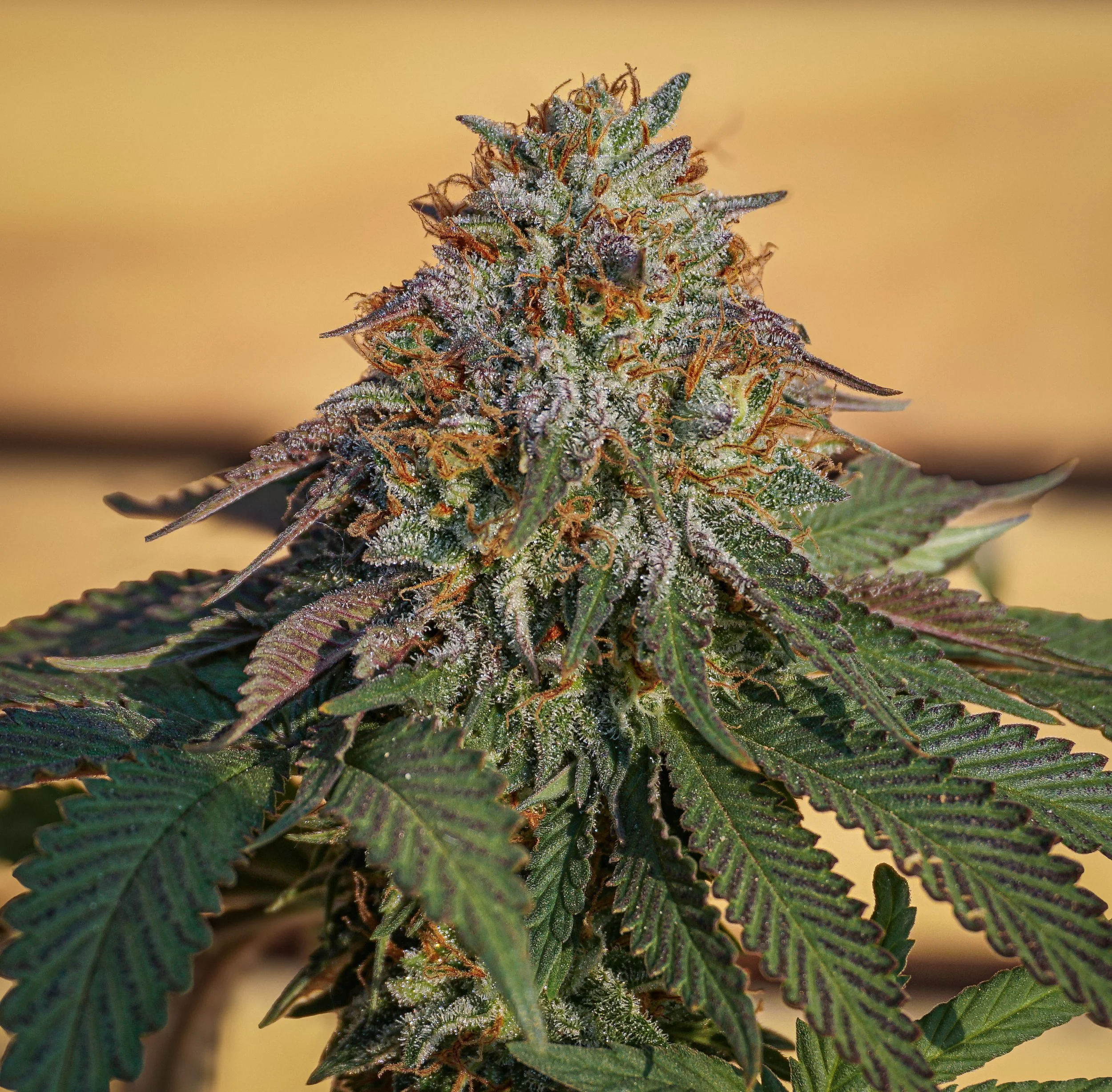
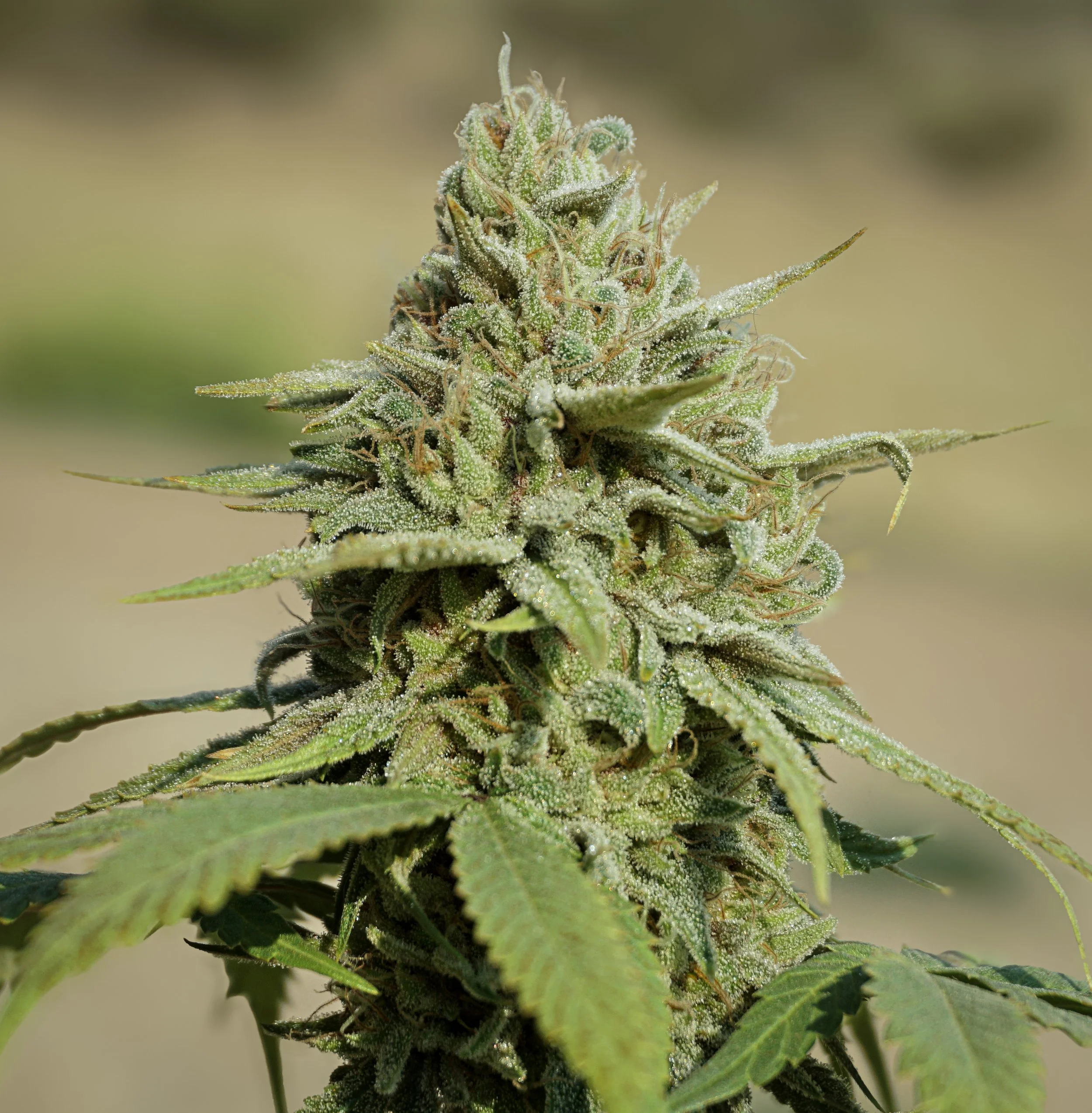
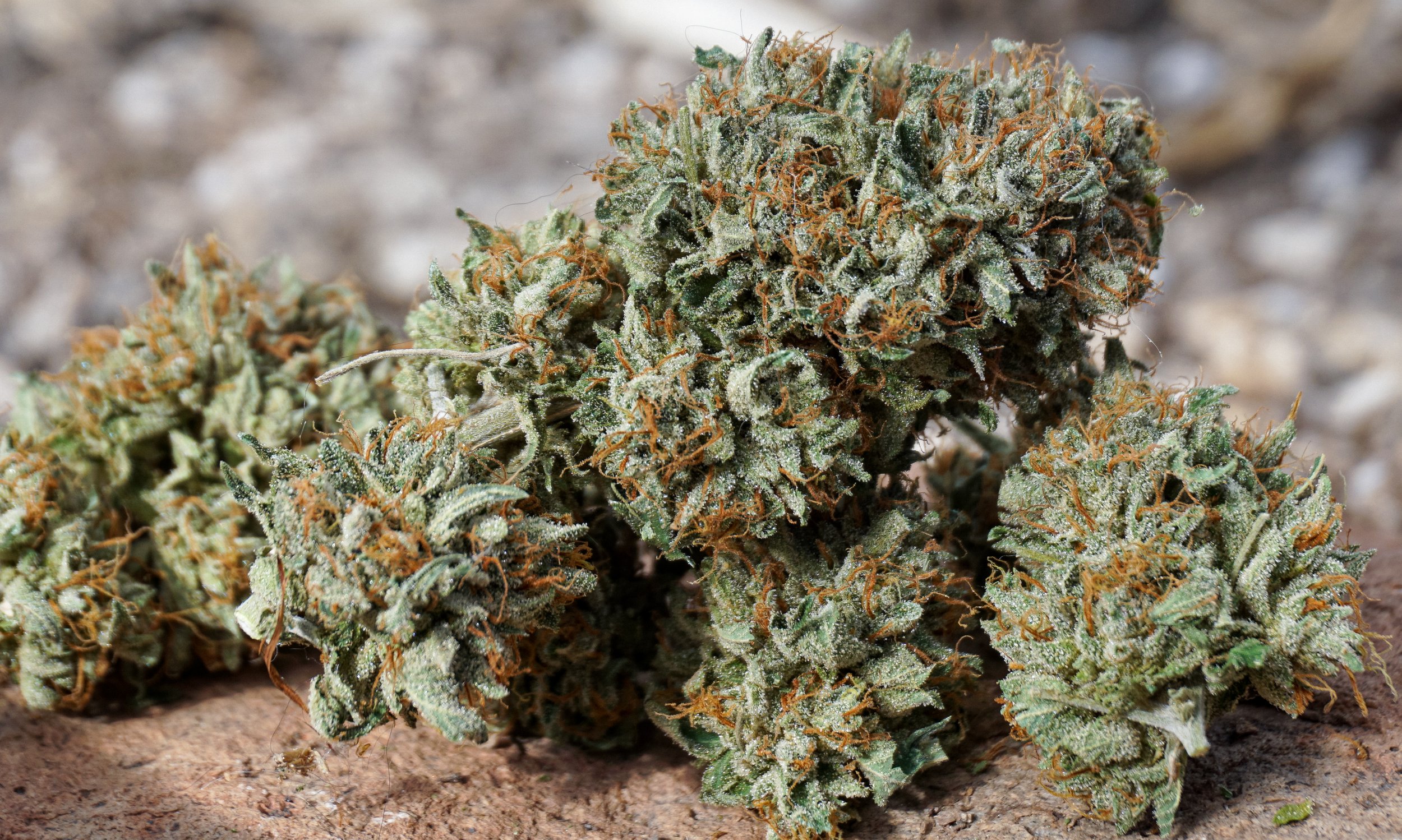
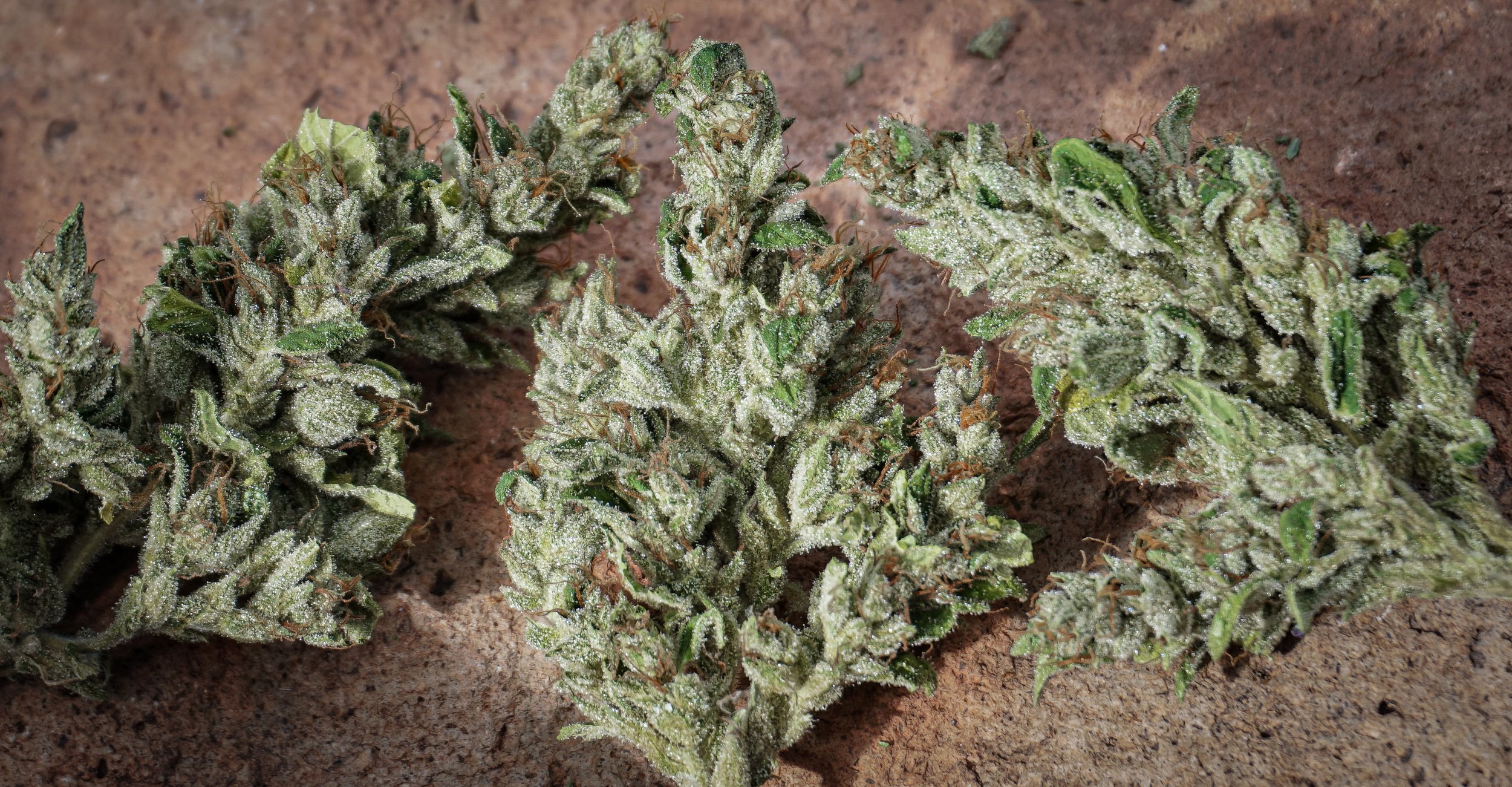
Dried flowers appear heavily influenced by Sour Diesel in their structure, and by Sour Dubble in their resin production.

Origins and Backstory:  Freeborn Selections has impressed recently with its Sour Dubble crosses, especially Dubble Limes which I can’t stop hearing positive things about. Sour Dubble (popularly known as Sour Dubb or Sour Dubs) is an extremely resinous clone-only that impressed Meangene with its breeding ability—he compares it more to an Afghan than to the Sour Diesel clone, while it does have some features similar to Sour Diesel. Sour Dubble was originally found by Greyskull in some seeds that were given to him by the late breeder BOG as Sour Diesel x Sour Bubble. Greyskull passed the clone around and it received a lot of hype maybe 10 or so years ago. Jaro, the pollen donor in this case, is a line from Meangene which he frequently compares to Sour Diesel. Given Jaro’s lineage is Sour Diesel x (Pure Kush x (Black Afghani x Hindu Kush)), bringing Sour Dubble in seems like a great choice to breed on paper. The full lineage appears as:
(Sour Diesel x Sour Bubble) x (Sour Diesel x (Pure Kush x (Black Afghani x Hindu Kush))), making this seed line 50% Sour Diesel genes.

I grew this plant both indoor as well as in a greenhouse at over 8300’ altitude.

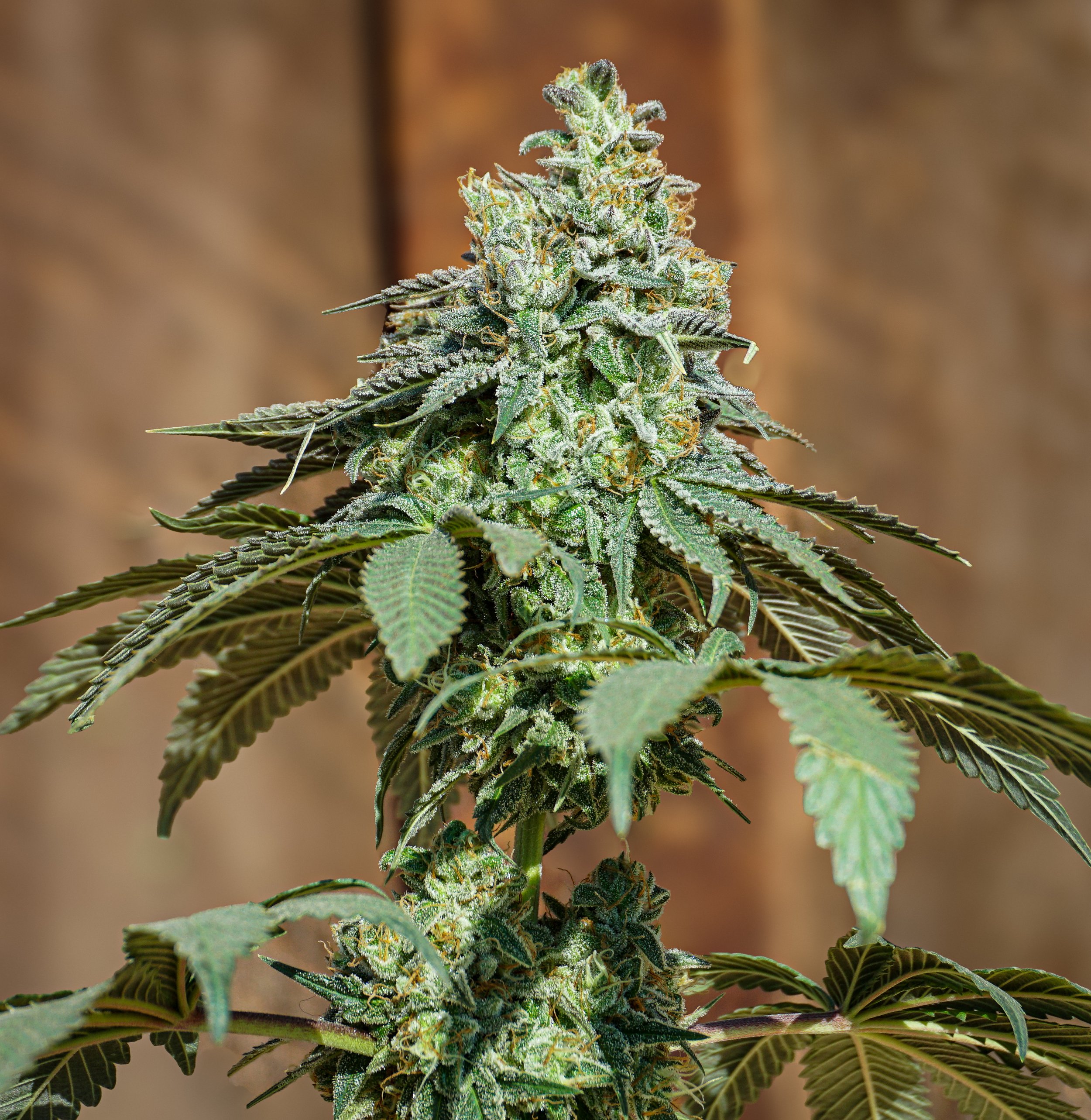
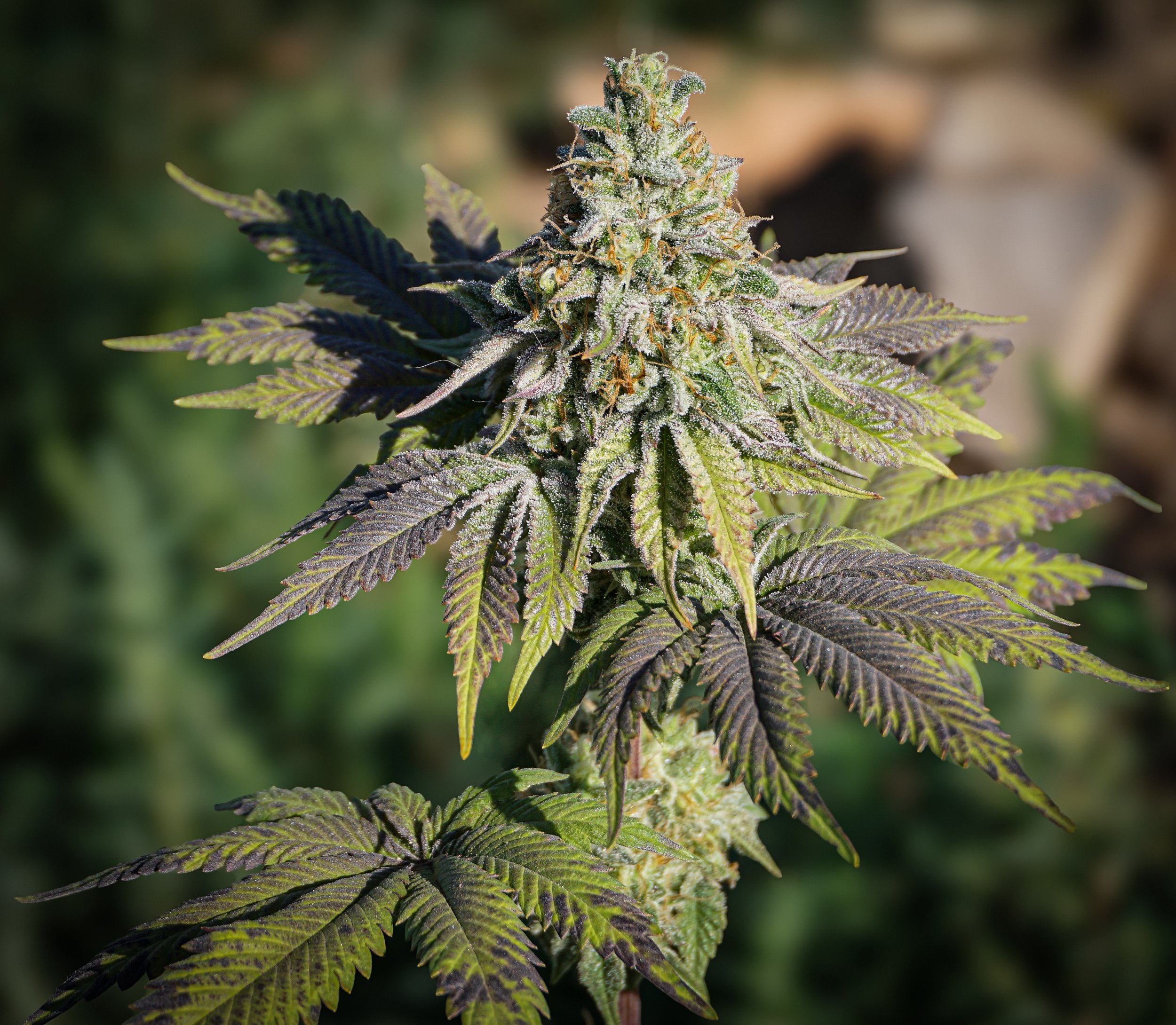
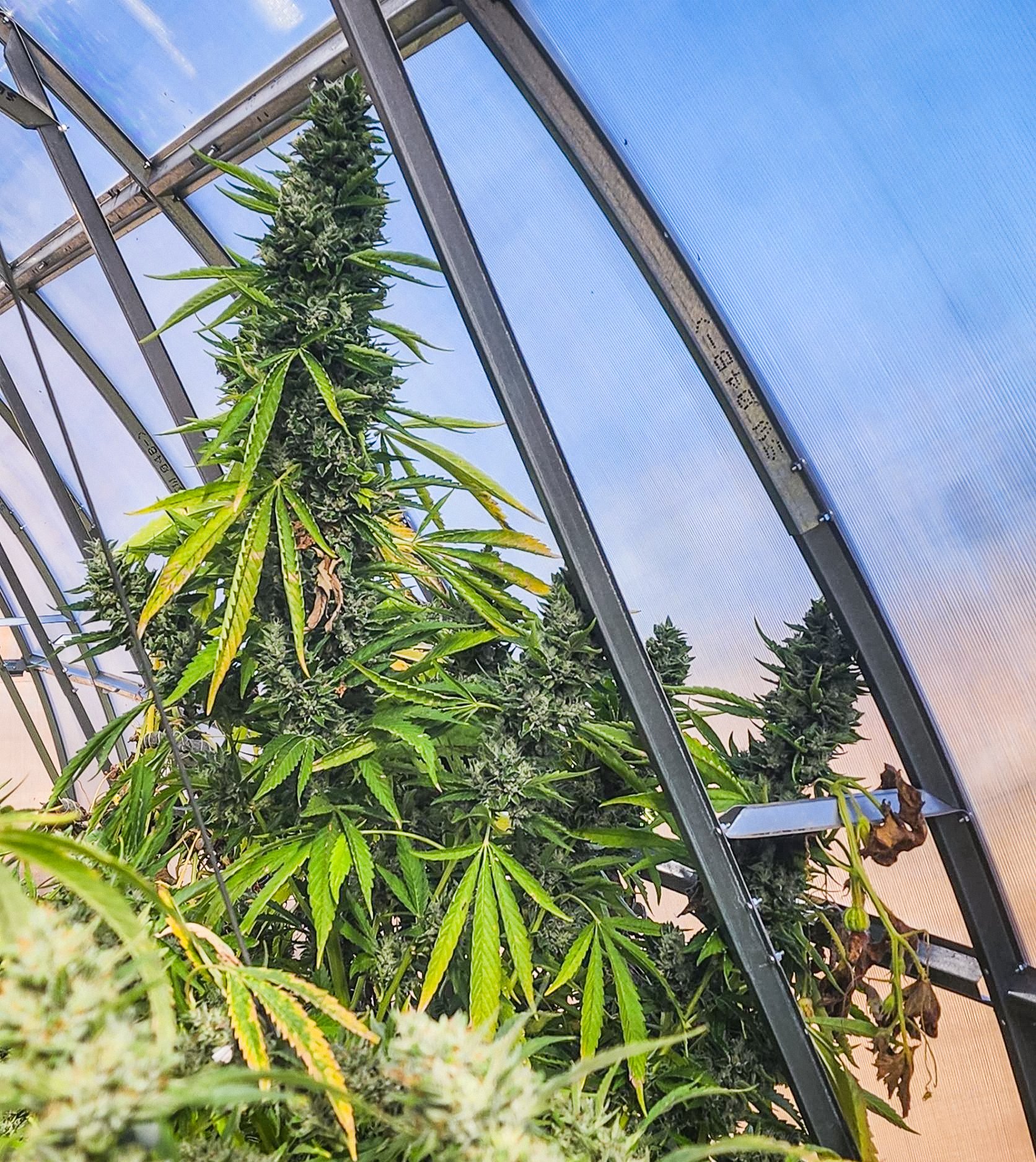
Morphoology:  This plant was interesting. Super vigorous, it would grow somewhere between a beanstalk and Christmas tree indoors. In the greenhouse, it was more of a bushy Christmas tree. In both environments, plants were exceptional yielders with massive buds on each branch. The structure to the flowers is like Sour Diesel on PGRs or something; it looks like massive colas that are almost-fox tailing without being fluffy, whisps of floral material reaching for the sky. Flowers have the characteristic single green leaflet wrapping downward over them that is typical of Sour Diesel, and it really is a plant whose flowers looks like an ultra-robust Sour Diesel. Resin production is great, with finished flowers appearing almost white or platinum with trichome coverage. Plants are green and finish green without any purpling, regardless of temperatures. Dried flowers also look somewhat similar to Sour Diesel, but the smaller buds are more developed—larger, more substantial, and more mature-looking at finish. The plants in my greenhouse grew the largest colas of any plants I have ever grown, ever, and required pretty minimal support. Plants are relatively broadleafed.

Aroma:  Somewhat enigmatic, I notice different tones at different times. A jar comes off immediately as sweet-skunky gingerbread, with prominent notes of velveteen hash, burning rubber, diesel fuel, and leather conditioner. “Bubba Diesel” comes to mind, as it is sweet and skunky with metallic diesel fuel notes, but also features leather and leather conditioner so commonly found in Bubba Kush. There are cola-like notes that are reminiscent of Dr. Pepper, and at other times sweeter bubblegum aromas skirt the background. This weed does not have much offensive character, but is much more of a sweet-skunky (think Gorilla Glue #4 but way less funky) that doesn’t scream “I just smoked dank” after consuming as much as other skunky weeds. It is like a sweet and leathery-diesel-cola thing. It is unique and attractive, but not over-the-top-loud. There is a softness and subtlety to the smell, bringing in notes that bring a soft pillowy pile of hashish or kief to mind. Overall pleasant and complex without being intensely loud or obnoxious.

Flavor: Sweet, hashy, and chalky, the flavor comes off as mild and understated at first, although it does coat one’s whole mouth. There are definite notes of leather and leather conditioner akin to Bubba Kush, and a soft, velvety character not far from pressed kief. There is a diversity to the aroma, however, that is only discovered through numerous encounters with this weed. I have experienced notes as far as gingerbread, butterscotch, diesel, and even cherry cola. None of them are dominant, but there are times when you take a toke and think “whoa, that just tasted like ______.” Joints, bowls, vaporizers, or whatever is your preferred method of consumption, it is interesting that this weed tends to taste decent for a prolonged period—past the point where most strains just taste like ashes.

Effects:  The effects of this weed took me a long time to nail down. Just after harvest, I observed that sometimes I would get VERY high after consuming some, and at other times I did not feel like I consumed weed at all. That’s a crazy thing to say, because I can now definitively say that this is very potent and long-lasting weed. It is a bit heavy for a wake ‘n bake experience, as it can really make one feel like they’re living in a video game like Super Mario—thrusting the user into a cartoon-cloud-world of giggles, lightness, and simplicity. However, smoked after an OG or other heavyweight—it is so clear that it is almost not felt at all. The effect, when smoked earlier, begins as light and happy before becoming quite dreamy and surreal. It can be a thrust, especially if one overindulges. You do feel some effect relatively quickly, but the full onset takes significant time to fully manifest. In spite of this intensity and potency, it is also rarely too intense. Something about the Jaro brings in a clarity of character that is up, positive, happy, feel-good, but I would not describe it as a rushing euphoria. There is nothing about this weed that will make one feel crazy or psychotic, as can be the case (especially for casual users) with the intensity of OGs or Hazes. It has become my favorite ganja to enjoy early in the afternoon—it makes me feel great, hits with authority, will last for hours, but it doesn’t put me down. I find smoking the heavier, more intense varieties all day can be overwhelming, taking some of the joy out of both weed and life. If you consume this weed all day, you will be burnt out eventually. But for such a potent strain, the burnout effect is relatively mild, and one can avoid the pitfall-negative feelings that often accompany overindulgence.

Overall:  I have struggled wondering how to think of this plant—is it an uppity Afghan? A mass-yielding sweet diesel? An enigmatic hashplant? It’s all of these and more, really. From a structural standpoint, this plant is like a huge-yielding and easy-to-manage Sour Diesel. From a consumption standpoint, it has the relaxation of an Afghan but with minimal burnout, and the positivity (and at times, even clarity) of a landrace sativa. The aroma is recognizable but also feels somewhat new, and it’s hard to imagine the flavor being offensive to some. I appreciate the flavor but it isn’t my all time favorite. It is a daily driver for me, and one I am fortunate to have—it is really an amazing dailly answer to anxiety, depression, and some of the general bullshit that comes with life. If someone visits, this isn’t what I take out to blow their mind with novelty or extreme potency. However, if their stay is multiple days, undoubtedly we’ll end up consuming this one multiple times, with good reason. This is a great workhorse of a plant, and a great workhorse of a smoke! This was one of the hardest plants for me to review, as it really defies being put in conventional boxes, and shows you different faces at different times. Sour Dubble x Jaro is special in its own ways, without being obnoxious or extreme in novelty. Because of this, I think it will have a hard time winning any cups, but I could see it becoming some people’s favorite smoke, especially after they really get to know it. It’s also useful to consider I only evaluated two females—I am curious about the outliers in this line I haven’t seen, too! I felt this plant was worth pollenating with both Cherry Pyromancer and Piña as well as growing sensimilla. Sour Dub is indeed a plant great to breed with, adding potency, burning rubber afghan hashy flavor, and excellent resin production. Jaro really adds something to the effect and structure, and I really haven’t seen anything else like these plants!

The biggest colas I have ever grown were on this Sour Dubb x Jaro plant in our high-altitude greenhouse.

This cola was grown indoors under LED lighting.

Comment

L.A. Pure Kush (Suge Nite cut)

February 1, 2026 HT/KTP

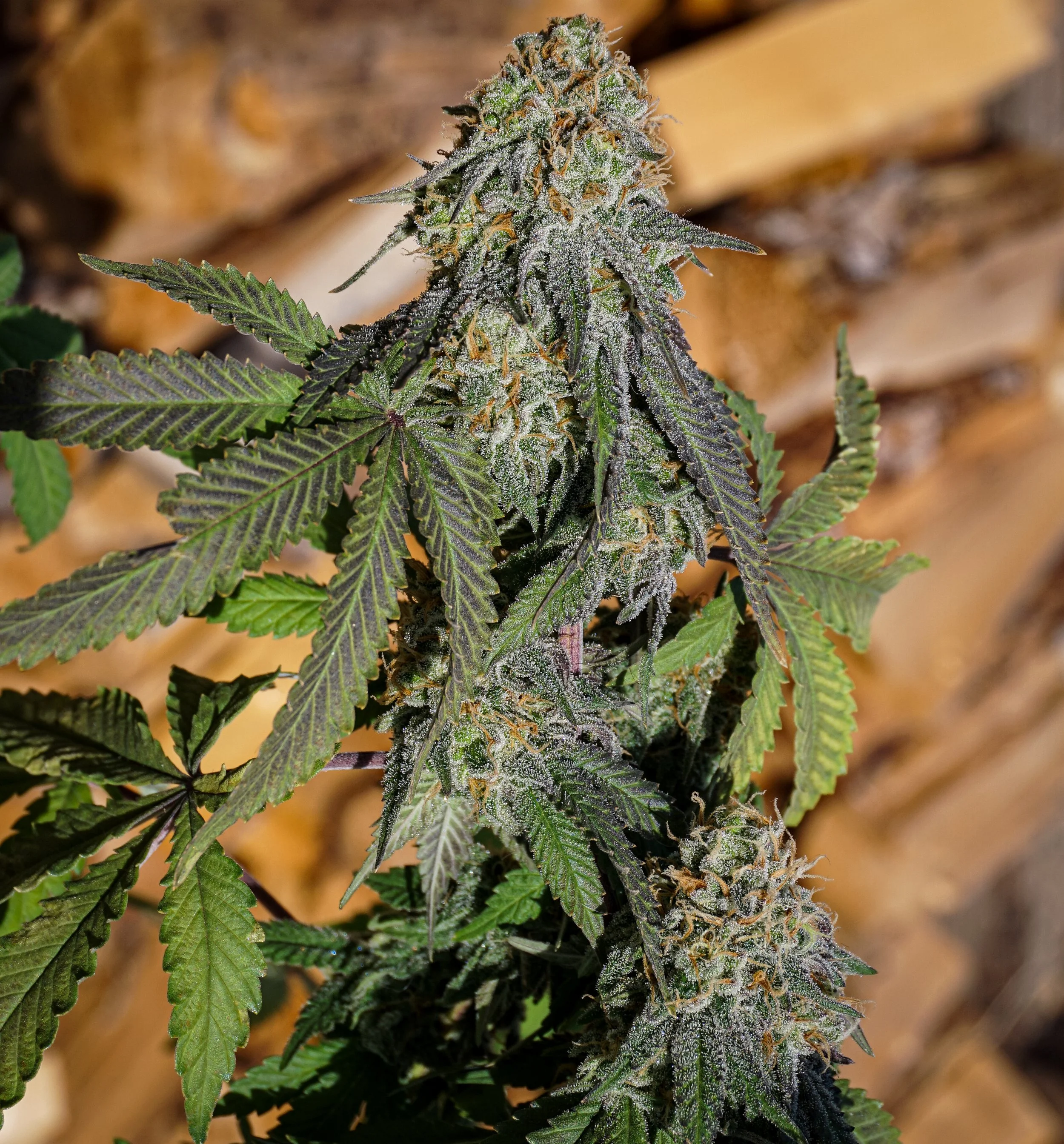
LAPK flowers are dense as one would expect from a Kush. Yellow-tipped calyxes can be seen at the top of the bud—the plant started entering senescence earlier than most, with tissue visibly yellowing and dying as early as the first week of October. This flower was grown in my greenhouse at 8300’ altitude.

Origins and Backstory:  A famous Kush clone from Los Angeles, California and truly a living legend, L.A. Pure Kush is an iconic plant so uniquely-identifiable that it could never be counterfeited. There are several different clones of L.A. Pure Kush; these are not different phenotypes, but are entirely different plants. This is what happens when a name as easily-ascribable as “L.A. Pure Kush” is used. Widely known amongst different Pure Kush clones are the ‘91 Hollywood Pure Kush, Malibu Pure Kush, Suge Nite cut of L.A. Pure Kush, Topanga Canyon Pure Kush (LINK NEEDED), and probably some others I am missing. As an aside, I am not sure why it has been written as “Suge Nite cut” for so many years, as the infamous character’s name is actually spelled “Suge Knight”— I am not sure, but if anyone has insight feel free to enlighten me…. As one can imagine, these clones have been confused and mislabeled and passed around over the years, leading to heterogenous opinions on which clone is the “real” version of any of the above. I was told that this clone was the L.A. Pure Kush (Suge Nite cut), and I sourced it from GMO’s House of Clones. This particular clone is well-known for its incense-forward aroma that so closely resembles sandalwood, and its super-stoney effect. It is obviously named after Los Angeles, the center of consumption when the Kush craze took hold of California and cannabis culture as a whole. Similar to the SoCal Master Kush, it is absolutely a Kush but distinct from an OG. In my opinion, it really is a perfect example of what I expect when I hear “Kush.”

I grew this plant both indoor under LEDs as well as in an unheated, naturally-lit greenhouse at over 8300’ altitude.

Morphology:  Growing short, stout, with heavy side-branching and broad leaves like a classic indica, the stretch in flower is minimal and consistent with other broad-leaf plants, as is the floral structure. Flowers are densely populated both with resin as well as plant matter itself, giving the impression that the genetics were originally selected in a hash-producing area. The resin is of a sandy or granular quality, with massive gland heads that readily fall off the flower. I try not to agitate my jars of this weed at all, because the trichome loss is visible each time one does so—the surfaces of the jar is coated with gland heads. Flowers are certainly more dense than average, giving a satisfying heft to a handful, and make breaking buds up extraordinarily satisfying. Plants and flowers did not exhibit any purple coloring at harvest, including the plant in the greenhouse which was seeing evening temperatures in the 20s and 30s Fahrenheit. Indoor flowering plants needed support, as the terminal buds were heavy and the side branches lanky, causing the tops to lean heavily. The greenhouse plants were strong enough to manage on their own, but also produced massive colas that were thick the whole way up, and put more of their focus into the central buds than the side-branches. A handful of this weed looks like really nice classic indica or Afghani weed, and one can almost anticipate the effects on appearance alone.

Aroma:  Probably the most distinctive trait of this plant, the trademark savory incense and sandalwood-like aroma is as unique to this plant as it is legendary. The aroma is therapeutic and enticing, and I am compelled to smell these flowers in jars even when I don’t have a desire to smoke this weed. The complexity and layering is remarkable: acrid incense, sandalwood and saffron, fresh-cut pine, ambiguous alliums, skunk, dusty old rug/carpet, hash, even subtle notes of preserved lemon, and botanical/apothecarial notes are all present. Surely, the notes resembling sandalwood and incense are the most favorable, but the complexities contribute to the whole, and it’s a great experience.

Flavor:  True to form, the aroma converts to flavor in an exceptional way, and is a huge part of what made LA.. Pure Kush stand out both in legend and actuality. The intensely spicey incense, sandalwood & saffron-like character is a pleasure in all respects and does a superb job at coating the mouth, offering an experience of flavor long after one is finished consuming. Some of the dusty, hashy, woody notes are present as well, but overall the trademark incense tones dominate, and are more than welcome to. Preserved lemon does come through subtly but surely on the backend of a toke in a sublime way.

Effects:  The effects are somewhat standard of Kush, but that doesn’t make them any less awesome. LAPK begins with each toke being noticeably felt in the head. LAPK comes on, like other kushes, immediately behind the eyes and around the temples. The immediate effect is relaxing with some euphoria, and does not reveal the potency due to hit later on. The euphoric wave is short-lived before fading into a warm, calm, lazy feeling for the remainder of the experience. What is interesting about this weed, is that one can go relatively deep with it—possibly a product of the creeper effect, where the full potency really doesn’t manifest for 15 minutes or so after consuming. Most indicas sort of “top out” or have a ceiling that is relatively fast to come to, and LAPK can catch one by surprise, as the ceiling is much higher (deeper?) than one might expect. If I smoke this all day or just keep going with it in a single session to see how far I can go, I end up in a much less casual feeling of relaxation, and enter a deep and dreamy stone. It can be exceptionally sleepy, tiring, munchy-inspiring, lazy, and memory-destroying. It can really be a challenge to keep one’s eyes open after heavily consuming this one, as it genuinely seems to make ones eyelids heavier! Great choice for serious medicinal use, pain, insomnia, etc. This one can get intense in the head after heavy use, but one almost needs to aim for overindulgence to get anywhere close to paranoia. If I smoke this before bed, there is a “hangover” effect the next morning—sheets and blankets feel impossibly cozy, and sleeping in is required, a non-negotiable. It just feels so good in the body, and physically in general—great for sex, culinary experiences, massage, meditation (if you can stay awake), or other activities when one’s focus is on physical sensations. Really a textbook example of a relaxing, feel-good Kush.

Overall:  LAPK has good reason for its legendary status. To date, I’ve never smoked weed with such an incensey and sandalwood-like character, which is probably its most shining virtue, alongside the effects. The dense, and intensely-resin-packed flowers are a pleasure to look at, hold, smell, and break up. They’re just great to have around and to handle. The aroma and flavor are worthy of a clean pipe or papers, and will encourage one to overconsume, as the consumption itself is pleasurable. This one is really a pleasure to simply sit, and smoke—lazy Sunday, porch chair weed. The character of the LAPK experience is such that the casual smoke can quickly turn into a deep and unproductive stone, potentially altering one’s sleep schedule. The potential for medicinal and recreational use is high, as so many people have found out for themselves over decades. A living legend worthy of its reputation, I feel honored in many ways to get to grow this plant and have it on the shelf. LAPK offers an exceptional experience for Kush and indica lovers, and has made me question whether SoCal Master Kush (link needed) really is my favorite kush of all time. Truly, I am not sure which I prefer, and they’ve both earned their spots in the pantheon of all time Kushes. L.A. Pure Kush is worthy of both name and legend.

Comment

Freeborn Selections Piña F4

January 28, 2026 HT/KTP

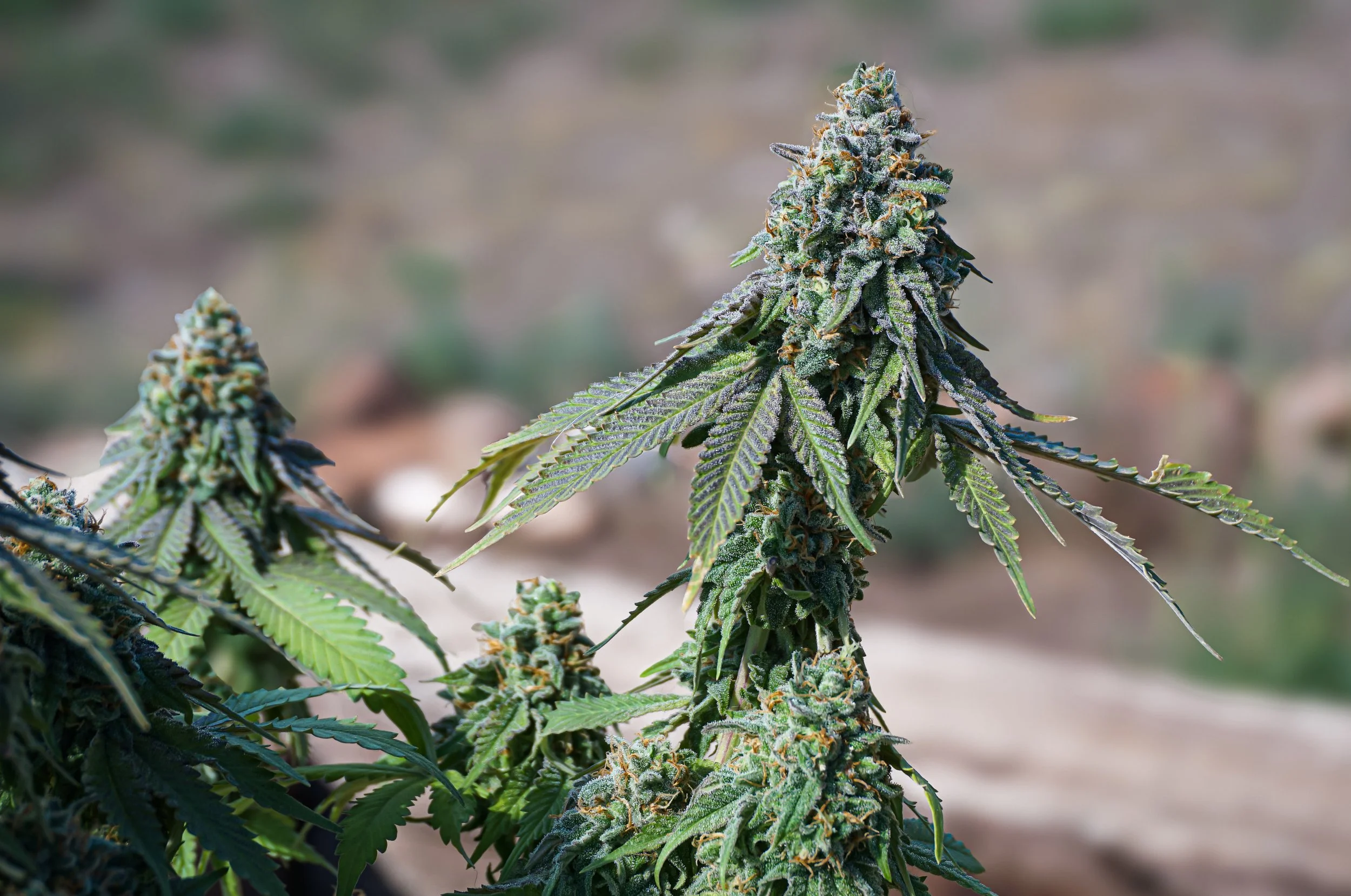
Elongated trichome stalks give Piña a furry appearance. Leaves are slender and elegant, in spite of being a short and shrubby plant.

Origins and Backstory:  I bought these attending the 2018 Emerald Cup, the only Emerald Cup I was able to see. I had already grown In the Pines, and had heard Meangene remark that Piña would “turn everything to Piña” in the context of breeding. So I was naturally curious, and wanted to revisit the genetic line. These seeds are F4s and Meangene has personally remarked the females are “all pretty much the same.” The lineage is officially listed as: Super Silver Haze x ((Dirt x Big Bud) x (Dirt x Purp)). However, I would advise the reader to look beyond this, as it doesn’t really tell the average person, or even a Freeborn nerd much. If the grower/smoker is expecting classic Super Silver Haze or something comparable, they’ll be confused. While I have not personally seen the data, it is reported that genetic analyses on platforms such as the Phylos galaxy on Piña reveal that it is one of the most genetically-unique and isolated cultivars tested. Popular cannabis has been bottlenecked and hybridized so many times that it all appears to be interrelated when analyzed through Phylos or similar platforms. Even plants with wildly-differing aromas/effects/morphology tend to show common ancestry; it appears that Piña is a genetic island of sorts. This is intriguing on its own, but warrants further curiosity after having had the subjective experience of this plant, as the reader will soon see. I grew these indoors under LED lights at over 8300’ altitude.

Morphology:  Piña was striking while growing for several reasons. Plants in the vegetative state grow short and stout with heavy branching, resembling shrubby hemp. I was not prepared for this, and have long-wondered why there are no circulating clones of Piña in spite of its stellar reputation and wide availability. I had my question answered when I was pursuing my own clones and was taking clones from seedlings of other varieties that I had started at the same time as Piña. Notable as well, is the fact that although the plant overall grows as an almost ball-like shrub, the leaves themselves are quite thin, slender, and relatively elegant, somewhat reminiscent of old Dutch hazes. As I cloned various Kushes and other Freeborn plants, I watched Piña veg with some anxiety—it appeared I’d have to essentially chop a plant in half, and then trim off most of the leaves to get a standard “clone.” I wasn’t really prepared to sacrifice half my plant, and ALL of the Piña plants were of identical structure. I ultimately decided to openly pollenate the population, and cross it to the Kushes I was growing concurrently, as opposed to taking clones of Piña to run again.

Piña has a minimal stretch when flowering, and if left untopped (I am not sure why you’d try to top a shrub anway), will develop a main cola, with not insubstantial flowers on the side-branching she has undoubtedly developed. This is when most commonalities to hemp break down, as the flowers appear to be dense and highly-resinous. Elongated stalks on the trichomes impart a distinctly-furry appearance on Piña flowers. The buds look dense on the plant, and I would say are about average density after being dried. Plants stayed green even after being exposed to some cold temperatures toward finish, and flowers finish green. Coloring of buds, leaves, pistils, etc. is relatively average and unremarkable. Finished and dried flowers also look like relatively average weed—nothing bad about it, just plain greenbud with furry-looking resin, in a shape halfway between a pinecone and fingerling. Flowers were finished relatively early, probably around 60 days and maybe even earlier in an indoor 12/12 setting (and I tend to take things late).

Aroma: Piña has a well-deserved reputation for its bouquet. A far cry from classic dank weed smells, Piña is refreshing, its bouquet overall coming across as a pineapple baby wipe, or Febreeze. Even vegetative plants have a distinctly-pineapple aroma, inspiring excitement throughout the entirety of the plant’s life. The character of the pineapple is somewhat vague, almost like a pineapple blossom or perfume. When buds are broken up, the pineapple is accentuated, and a sweeter, syrupy/cakey quality is revealed, at times bordering on candy. The seemingly-synthetic aromas of baby wipes, febreeze, sunscreen, and skincare products immediately become background layers that add to the pineapple; but the sweet, unmistakably pineapple aroma just pops. Piña is the first and only cannabis I have smelled that is dominated by pineapple in such an attractive way, and the synthetic notes give it depth that most growers are seeking. Really addictive to smell, super enticing, and not offensive at all.

It’s interesting to note that Piña has repeatedly tested high in the terpene ocimene, which is, at least in part, responsible for the tropical vibe of Piña. Ocimene is relatively rare in cannabis, and is associated with citrus, pineapple, and other bright fruit aromas. It also reportedly encourages a more uplifting, energetic, and positive effect.

Flavor:  Just as we would hope, the pineapple comes through most prominently when consuming Piña. It is an excellent choice for a vaporizer, and one feels as if they’re inhaling a ridiculously-realistic pineapple air freshener (except, without all the carcinogens). It’s a really awesome experience, again with the character of the pineapple suggesting ripe fruit, upside down cake, or canned pineapple in syrup. Again, the vibe of tropical febreeze is present and offers depth to the experience, but pineapple is the star of the show. It’s awesome and addictive and it’s still hard for me to believe that the plant naturally tastes this way, no additives or anything. A remarkable work of breeding and selection, as well as an attestation to the expressions of the Cannabis plant as a whole.

Effects:  I esteem Piña’s effects on the mind at least as much as her aroma. While all-day-every-day smokers might be underwhelmed by her potency, Piña’s character is nearly unmatched. It consistently imparts feelings of well-being, positivity and upliftedness, and satisfaction. All seems to be right in the world after smoking Piña. The experience is generally euphoric for those with lower tolerances, or casual smokers. It is never overwhelming or too strong for me personally, never even gets close. The effect is relatively short-lived, especially compared to a variety like Sour Dubble x Jaro (link needed) or TCPK(linnk needed) but is of such a remarkably high quality that I don’t understand why it’s not more sought after. I imagine potency can be attained relatively easily; quality and character of effect of this caliber is a rare achievement. It is quite similar to the experience I had with In the Pines so many years ago. Burnout is minimal, and after enjoying the perennially-positive and satisfying experience, I am always tempted to consume more. The same high cannot be had again or prolonged (at least until the next day, it seems), and the effect of deeper consumption is more of a classical weed feeling—warm, happy, mildly dreamy, and generally pleasant. The dragon of well-being is an easy one to get caught up chasing in the case of Piña, and one can actually catch it for a brief time if this plant is not abused in consumption. While the aroma and flavor are certainly highlights and some might consider them the high points of the plant, I really think plants that feel this way are often overlooked in favor of higher potency plants, and I believe Piña may have one of the best effects of any cannabis I’ve experienced. What if we could have both potency and quality of character? Is it possible to retain the exceptional character of Piña’s stone, while also introducing more potency? I am not sure about this, but I am sure that it is a question worthy of pursuit.

Overall:  One of the most unique varieties I have ever grown or smoked, Piña is a treasure. Having been bred to the F4 generation has made it a bonafide variety, with impressive uniformity across plants. What is most impressive, however, is the whole package that the consumer gets. Consuming this plant imparts the feelings that we are essentially seeking as cannabis users; who doesn’t want exotic & fruity olfactory experience, and then feel a wonderful sense of well-being? It has been all too easy, especially as modern cannabis consumers, to get caught up chasing potency. Every popular strain, every hyped up plant has almost extreme levels of potency, and trust me—I definitely get it. Piña is refreshing in every sense of the word, and if you can look past getting stoned out of your mind, it is an incredible plant. It certainly still has the potential to get one very high, and the aroma and flavor are beyond novel—they are truly spectacular. While I have not seen or heard of the experience myself, I do think Piña is an ideal candidate for first time smokers, or even just casual smokers. If I was getting high once a week or less frequently, Piña would probably be a perfect choice. Like so many other well-deserving plants, I don’t think Piña is going to be an overnight success, and will likely never become the hype plant of the mainstream. It does however, have potential to produce its own cult following, as it is worthy of always having some on your shelf, and I intend to! Who doesn’t want weed that smells and tastes like pineapple and puts one’s inner world at peace?

Comment

AK Bean Brains SSSC Durban

January 27, 2026 HT/KTP

This plant really took some abuse, and it shows in the sub-par-appearing flower above. What this picture fails to capture is the remarkably-high quality experience facilitated by these flowers.

Origins and Backstory: I was gifted these by a friend who reproduced them, which were in turn reproduced by AK Bean Brains. These are a line of Durban Poison from the Super Sativa Seed Club (SSSC), a defunct mail-order seed catalogue from the 1980s. I guess I should note that AK Bean Brains simply calls this “Durban,” while the variety is more popularly renowned as “Durban Poison.” Durban Poison is a legend, hailing from Durban, South Africa. It has long been renowned for its anise and licorice dominated aroma and flavor, as well as its electrifying, psychedelic effect. Over the years, clones and seeds being called Durban Poison have been circulated, but many longtime smokers and cultivators report that these are watered down versions of the real thing. Personally, I have smoked many different samples of alleged Durban (it was nearly ubiquitous in Colorado around 2010), from many time periods and locales. Surely, the best I have experienced have the sweet, licorice-like aroma and flavor and the reputed high to match. I have also smoked samples that were likely hybrids (most likely, Durban Poison x Skunk #1), and one might describe them as “watered-down”—but I personally thought they were still good. Not as good as the pure thing, but close enough to still be pretty awesome. In any case, this seemed like a rare opportunity to see for myself what might be in some Durban Poison genetics that are relatively close to the original thing. I grew a single female at 8300’ altitude, and this female started flowering on her own after becoming rootbound. I bounced her around from indoor to outdoor to greenhouse back to indoor again etc., so it really is not the best representation of this plant. It is still stellar cannabis.

Morphology:  The plant itself grows with thin leaves and leaflets, characteristic of a narrow leaf plant, while branching is actually fairly heavy, with tight internode spacing. The plant grows relatively stout and bush-like for a narrow-leaf plant. It is quite vigorous, and I had to aggressively top plants while I waited for some other seedlings to catch up in size. I allowed my female plant to get rootbound when I did this, and she began to flower all on her own. I up-potted her and put her in 24/0 light, but she kept flowering. There was minimal stretch when she went into flower. Buds were somewhat light, not as well-developed as “modern” and especially broadleaf plants. Plants were a dark green while vegging, and stayed green throughout the entirety of its life, with no purpling. Dried flowers were relatively light and wispy, but I wouldn’t go so far as calling them fluffy. Relatively high resin production.

Aroma:  Dried flowers smell of terpinolene and black pepper, with a sweetness that conjures childhood memories of opening licorice jars at penny-candy stores. It is not unlike the sweetness of roasted fennel, and many people liken the aroma to anise. When flowers are broken up, the sweetness is accentuated, bringing licorice, metal, and a vague sweet-fruitiness (bordering on classic bubblegum) all to the foreground. It’s sweet and fruity and candy-like, and the mid-range notes of terpinolene and black pepper add dimensionality.

Flavor:  Sweet licorice and fruit dominate, with fennel, metal, and tones reminiscent of dental work and medical plastic adding complexity and mouthfeel. It is really a highlight, and I’m at a loss to come up with other smoke that offers a similar experience. It’s unique, enjoyable, and addictive, really pleasant in and of itself. The flavor is relatively long-lasting, but does go from being more nuanced and complex to generically fruity over the course of a session.

As an aside, my wife really does not like the smell of offensive cannabis strains, and does not enjoy the smell of my breath after smoking plants like ‘87 Limepop or TCPK (link needed). The first time I consumed this Durban, I met with my wife soon afterward and she gave me a kiss. She asked if she could have a piece of gum—I told her I didn’t have any, and she was incredulous. She tasted Durban on me, and it was so fruity that she thought I had been chewing gum to cover up cannabis. She thought it was so nice-tasting and unusual that she wanted to try it! I thought that was kind of amazing. She really doesn’t enjoy the aroma of vaporized cannabis either, but remarks that after I vaporize Durban, it leaves a fruity, perfumey aroma in the air that she actually enjoys. Obviously this aroma and flavor is desirable for all kinds of reasons—if you desire discretion for any reason, it seems this particular line of Durban Poison is a great option.

Effects:  Rivaling the aroma in its uniqueness, the effects of Durban are somewhat stunning, and deeply desirable. True to form, Durban is a cerebral, active, euphoric, happy and optimistic smoke that can be motivating and even psychedelic at times. The onset often begins with an almost-rushing and euphoric sensation, and does have a bit of creep to it. Notably, Durban is felt strongly in the body—which goes counter to the stereotype of broadleaf vs. narrowleaf plants. However, the character of the “body buzz” is almost a 180 degree turn from a smoke like LAPK (link needed). It is an energetic, vibrating sensation that is the best example of “electrifying” or “electric” cannabis that I have encountered. Instead of suggesting couchlock, there is a sense of creative urgency, like you need to get out in the world, move your body, do things, live your life, and make your mark on the world. It really is somewhat motivating in and of itself, but is also greatly complimented with a cup of coffee or tea (I recommend Maunamoku if you appreciate high-grade tea as much as cannabis—and tell them I sent you). The effect is satisfyingly-intense, which is often not the case with motivating and clear-headed varieties. Thoughts are consistently positive and euphoric and generally future-oriented, and can at times be of the psychedelic variety, while still staying quite functional overall. Although, it injects a bit of a Fear and Loathing vibe into my life sometimes—while I always find myself able to function outwardly well on this weed, sometimes the intensity and psychedelic nature can give conversations or other activities (even the mundane) a wacky and weird feeling, like everything (including yourself) is hanging on by a thread. Most of the time I don’t feel that way at all, I just feel great on this weed!

The soaring feeling does seem to be limited to about once a day—if I smoke this weed later in the day after coming down, hoping to achieve the same effect, I am always disappointed. I get more of a generic high, one that is less clear, euphoric, optimistic, and generally just overall awesome, and it feels like a waste of these super-special flowers. If I consume in the morning, Durban is my favorite and go-to, and I follow it up with Sour Dubb x Jaro (link needed), instead of more Durban. It’s really an ideal day-starter and motivator, and just incredible weed to fill the niche of clear-headed, euphoric, optimistic, functional high.

Overall:  I’m so glad this SSSC variety has been preserved by AK Bean Brains, and it really is one of the best representations of Durban Poison I’ve had the pleasure of experiencing. Other Durbans are likely Durban Poison x Skunk #1 or other similar crosses, but this one strikes me as being as real as it’s going to get. I can’t believe how well this plant managed all the moving about—from indoor to greenhouse back to indoor, then outside, all after being rootbound and auto-flowering on her own. The fact that the smoke is still so favorable after that amount of stress speaks volumes. The aroma and flavor are definitely unique and inherently very enjoyable, but their ability to afford discretion makes them doubly-valuable to someone like me. I love the sweet licorice thing, and I really love that my wife likes the smell. The effect though, is the real highlight, and reason enough to keep smoke like this around. Many sativas that breeders and smokers describe as '“motivating” are in my experience, not really motivating—they might be somewhat active relative to the more potent couchlock experiences, but they still generally put me in a relaxed and lazier state. It’s rare that I find genuinely-energizing and motivational smoke, and this is it. The fact it comes in a package with euphoria and such an enjoyable flavor really makes it a complete one, and it has quickly become my favorite morning smoke that I need more of. After checking AK Bean Brains website, I see he really undersells this one, simply noting its potency of concentrate, and “metallic terps.” If you like motivating smoke but don’t want to deal with some finicky, long-flowering sativa, Durban is the clear answer. This variety is my number one priority to increase seed of, I love it and want it around that much!

Comment

Freeborn Selections Hashplant 13 '08 Bagseed x 4Way x Northern Lights (Outdoor)

January 23, 2026 HT/KTP

These seeds came labeled from Meangene as “HP13 ‘08 Bagseed x 4Way/NL.” The buds on all females were grenade-shaped, and colas on these plants were massive.

Origins and Backstory:  I received these from Meangene as part of a larger package a few years back. HP13 is an absolute legend of a plant, and an extreme rarity. I have been seeking it ever since reading about it in the Cannabible about 15 years ago; I have never seen it, smoked it, or even met someone face-to-face claiming they had it. I’ve grown a few variants, such as Top Dawg’s HP13 F2 and Hawaiian Heirlooms’ HP13 x Pogdawg, which were pretty different from one another. I just acquired the HP13 clone only (allegedly), so hopefully I’ll get that review up prior to 2026. In any case, a real unattainable legend. I am not completely clued in on the 4Way x NL details, but I believe this came from @BobHempHill, or at least the 4Way, which I believe is the Fairfax 4Way—a plant known for its very strong skunky aromas, with a history of black market production. When Meangene sent me this along with some other testers, I was immediately intrigued by anything with HP13 in it that had the Meangene Midas touch on it. I haven’t seen any further work with 4Way x NL from Meangene, and I believe these may have been abandoned for more promising breeding endeavors.

Appearance:  These plants grow with cola buds from head to toe. Impressive yields of verdant grenade clusters on stems manifest at harvest, with classic green buds high in resin and classically-orange pistils. The buds do have some small leaves and leaflets around them, but they’re generally dwarfed by calyxes and not much issue. This is good looking, high resin, super-chunky green bud. The plants are particularly impressive right before harvest due to the high yields and high ratio of bud to leaf. Grenade-like finished flowers are equally appealing in the bag and in the hand.

Aroma:  The first and overwhelming impression when sniffing a jar, is that the aroma is strikingly sharp and acidic. There are some exotic and tropical fruit tones for sure, like guava and passionfruit, but both green and red apple aromas are primary. The fruitiness is not sweet or candied; the astringent acidity is so intense it is almost as sharp as fermented fruit, alcoholic fruit beverage, or turpentine and hairspray when the weed is fresh and freshly cured. Older jars of this weed smell more like apples and some of the sharpness has faded. Enjoyable, but missing some dimensionality for me. It just feels like we could go deeper, there could be more layers like some funk or nastiness. Interesting, enjoyable, and compelling, but not so compelling as “complete package” varieties that seem to offer diversity of aroma from every imaginable place.

Flavor:  The flavor is somewhat of a letdown after experiencing a relatively-intense aroma. It is fairly mild, sweet, floral, and botanical in nature, but not as sharp or as complex as its aroma. It is somewhat limited in its dimensionality, with some sweet apple and apple blossom notes on top of herbaceous botanical tones. Sweet, pleasant, unremarkable. A bowl retains flavor for a few tokes before tasting like charcoal.

Effects:  There is nothing wrong with this weed, there just isn’t anything special about it for me either. I always wanted to enjoy this weed more than I did. The sharpness of the smell indicated to me that this weed would have some potency to it. I would anticipate getting really ripped from this weed, pack a bowl and smell my fingers (ahhhh……), and smoke…and it just never hit me the way I wanted it to. It just felt like a generic, middle of the road kind of stone that never fully took off for me. Yes it gets you high and no it’s not CBD hemp or something, but for elite cannabis, it falls short.

Overall:  This weed is unfortunately missing something for me personally. The aroma is enticing and enjoyable, but lacks some diversity and dimensionality that I crave and look for, and have come to even expect with Freeborn gear. The flavor and effects fall in the same vein; the effects especially surprised me, as this is highly-resinous weed and does smell quite strong. However, the potency that I look for was simply not there. Even when I am wanting something different from my recent staple of ‘87 Limepop, and I reach for this jar, I am disappointed after smoking. The high doesn’t last that long and is pretty mellow, and I typically pick up a jar of something stronger an hour or so later. This weed would have been really amazing and epic when I was growing up and coming into the scene, but today it just doesn’t have much to stand out. As excited as I was for something with HP13 in it from Meangene, I don’t feel personally compelled to go deeper into this line. Highlights were for sure the yield and structure, as the plants and finished flowers looked fully developed and really great. The aroma was nice but just missing something deeper, and I feel the same about the stone. They can’t all be absolute winners!

Comment

Advancing standards of organic cannabis through an elevated philosophy and lifted state of mind.